
Criminal Law Conference 2026 Brings Justice Sector Together for Practical Learning
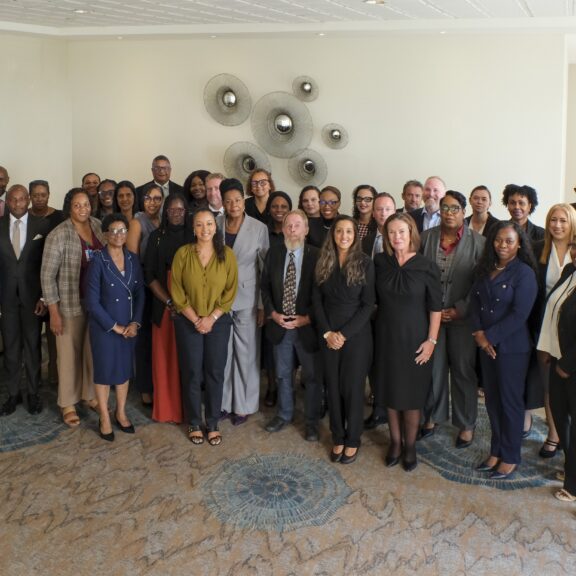
The Cayman Islands Judicial & Legal Education Institute (JLEI) brought together representatives from across the criminal justice system for its Criminal Law Conference 2026, held on 29–30 September at the Grand Cayman Marriott Beach Resort.
Over two days, members of the Bench, prosecutors from the Office of the Director of Public Prosecutions, criminal defence counsel, representatives from the Attorney General’s Chambers and the Department of Community Rehabilitation, law students and other criminal justice professionals came together for practical discussions on advocacy, vulnerable witnesses, special measures, witness care and expert evidence.
A central theme running through the Conference was breaking down barriers to effective advocacy and participation in criminal proceedings. The programme examined not only how advocates present a case, but how courtroom practices, communication and preparation can affect the ability of witnesses and defendants to understand and participate in the justice process.
In his opening remarks, Cayman Islands Legal Practitioners Association President Richard Barton highlighted the value of bringing the Bar, Judiciary and other stakeholders together to consider developments in Cayman jurisprudence and strengthen the administration of justice.
The first presentation, Advocacy 101, saw Justice Ben Tonner KC challenge the idea that an advocate’s role is simply to act as the client’s “mouthpiece”. He emphasised the professional judgment required of counsel, including objectivity, knowledge of the law and the ability to advise clients effectively rather than simply advancing every position they may wish to take.
The programme then turned to special measures and the treatment of vulnerable witnesses. Justice Emma Peters examined developments in England and Wales, including the use of pre-recorded cross-examination under section 28 of the Youth Justice and Criminal Evidence Act 1999. Rather than simply adopting practices from another jurisdiction, Justice Peters encouraged participants to consider the needs of the Cayman Islands and whether particular measures would address an identifiable issue within the local justice system.
That focus continued into the second day, with Rhiannon Crimmins KC delivering practical training on ground rules hearings and effective questioning of children and other vulnerable witnesses. Participants considered how conventional advocacy techniques may create unintended communication barriers and how relatively simple changes in questioning can help witnesses understand what is being asked.
The sessions emphasised preparation, including ground rules hearings, intermediaries, court familiarisation, functioning technology and appropriate visual aids. They examined the importance of using clear, developmentally appropriate language and avoiding jargon, figures of speech, unnecessarily complex questions and abstract concepts that may be difficult for some witnesses to understand.
In her session on effective questioning, Ms Crimmins emphasised the importance of adapting advocacy techniques to the needs of the person giving evidence. Practitioners were encouraged to build their case around the witness, with greater cooperation between prosecution, defence and the Bench, including the use of agreed facts where appropriate.
Expert evidence was another area of practical focus, with Barnaby Jameson KC, Deputy Director of Public Prosecutions, leading a session examining what makes an expert witness credible and how specialist evidence can be effectively presented and tested in criminal proceedings. The session included contributions from Christian Taylor of the Cayman Islands Forensic Science Laboratory, who provided participants with a primer on forensic biology and DNA evidence, including DNA profiling, the interpretation of results and the importance of understanding both the strengths and limitations of forensic evidence.
The Cayman experience was brought directly into the programme through Joanna McNiven, Witness Care Officer with the Office of the Director of Public Prosecutions, who addressed effective witness care and some of the particular challenges that can arise locally.
Ms McNiven explained that witness care extends beyond ensuring that someone attends court. It includes removing barriers, reducing anxiety, keeping witnesses informed and helping them navigate the criminal justice process with appropriate support. She also addressed the important distinction between witness familiarisation and witness coaching, emphasising the principle of preparing witnesses for the court process without rehearsing or influencing their evidence.
The discussion reflected some of the particular realities of the Cayman Islands, including its diverse cultures and languages, transient population, witnesses relocating overseas for employment or education, and the privacy and other concerns that can arise within a small community. The session highlighted trauma-informed practice as a shared responsibility across the justice system and considered how effective witness care can support witnesses in participating and giving their best evidence.
The programme intentionally concluded with a focus on well-being within the criminal profession, reinforcing the Judiciary’s wider commitment to promoting well-being and resilience across the justice sector. Laura Larner of Your Paradise Life, a former prosecutor and criminal defence counsel, drew on her experience on both sides of the criminal Bar to explore how legal professionals respond to pressure, recognise stress and protect their well-being while maintaining respect for colleagues in a demanding professional environment.
Taken together, the sessions highlighted the importance of effective participation in criminal proceedings, while recognising the different responsibilities of the Bench, prosecution, defence and supporting agencies. The Conference provided an opportunity for these groups to examine their respective practices together and consider ways of supporting fair and effective criminal proceedings.
H.E. Paula-Mae Weekes, former President of Trinidad and Tobago, who remained in the Cayman Islands following her Distinguished Guest Lecture the previous day, commended the practical focus of the Conference, observing that participants were leaving with knowledge and tools they could immediately apply in their professional work.
The Criminal Law Conference forms part of JLEI’s continuing programme of judicial and legal education, supporting professional development and engagement across the Cayman Islands justice sector. Presentation materials from the Conference are available under the Resources tab on the Judiciary website. Recordings of the Conference sessions will be made available there shortly, providing participants and the wider legal and criminal justice community with continued access to the programme and its resources.